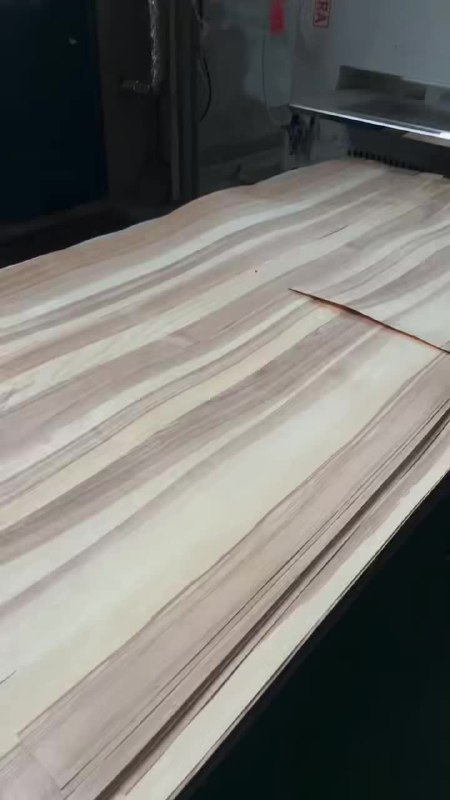
Each species serves different applications. We match species to your weight, strength and appearance requirements.
Extra light (200–280 kg/m³). Silky grain, pale color. Ideal for furniture panels, laser engraving, and export where weight matters. Moisture-sensitive — not for exterior.
Light (400–500 kg/m³). Clear grade, minimal knots. Cost-effective structural panel. Takes paint and stain well. The most popular FJ species for European furniture buyers.
Light (350–450 kg/m³). Even texture, pale cream color. Good paintability. Consistent color within batch. Good value for painted furniture applications.
Medium weight (600–700 kg/m³). Attractive grain, light color. Excellent for clear lacquer finish. High demand from European furniture manufacturers. FSC available.
| Parameter | Standard Range | Custom |
|---|---|---|
| Thickness | 8 / 12 / 15 / 18 / 22 / 25 / 30 / 40 / 50mm | Any 5–60mm |
| Width | 1220 / 1250mm (panels) | Up to 1500mm |
| Length | 2440 / 2500 / 2800mm | Up to 4000mm |
| Finger Joint Pitch | 3–5mm (fine joint) | 3–8mm |
| Glue | E0 D4 (water-resistant) | D4 / D3 / PVAc |
| Surface | Sanded 120-grit, both sides | 120/150/180-grit |
| Moisture Content | 8–12% (KD) | 6–15% range |
| Flatness Tolerance | ±1.5mm/m | ±1mm/m on request |
| Certification | FSC / CE / EUDR | Project-specific |
| MOQ | 10 m³ | 20 m³ (custom) |
D4 (EN 204) adhesive — suitable for exterior-adjacent use and high-humidity environments. Standard for all European export panels.
Finger joints cut to ±0.2mm tolerance. No gaps, no glue squeeze-out. Surface sanded after jointing for seamless appearance.
laminated panels (stave-core) with perpendicular back-laminate available for maximum flatness and reduced movement.
Table tops, cabinet doors, drawer sides. Clear or paint finish. Paulownia for lightweight, ash for premium.
Wide-format panels with minimal seam visibility. Paulownia/pine for economy, ash for high-end.
Stile-and-rail door construction with FJ panels as inserts. Stable, warp-resistant.
D4 glue panels for humid-adjacent interiors. Moisture-resistant finish options.
Paulownia panels for laser-engraved products, signage, and decorative panels. Consistent material properties.
ISPM15 heat-treated FJ panels for export crates and pallets. Stronger than solid wood at lower cost.
For most applications, yes — and more stable. Finger joints are actually stronger in bending than the wood itself (failure occurs in the wood, not the joint). The benefit of FJ panels over solid wood: no warping, no twisting, no checking. A FJ panel stays flat; a solid wood panel of the same size may not.
Finger-jointed panels use interlocking finger joints between short pieces of wood. Edge-glued panels use straight glue joints between long pieces of wood (stave-core). Finger-jointed is more dimensionally stable and uses shorter timber pieces. Edge-glued has a more continuous grain appearance. Both are used in furniture production depending on the visual requirement.
Standard production is single species per panel. Mixed species (e.g., paulownia core with ash face veneer) is possible for custom orders above 30 m³ and requires specific discussion at the quoting stage.
Mixed thicknesses (18/22/25mm): 18–25 days from order confirmation. We maintain stock of standard thicknesses in pine. Mixed species in same order: +7 days lead time. Exact date confirmed at order confirmation.