What is HPL laminated plywood?
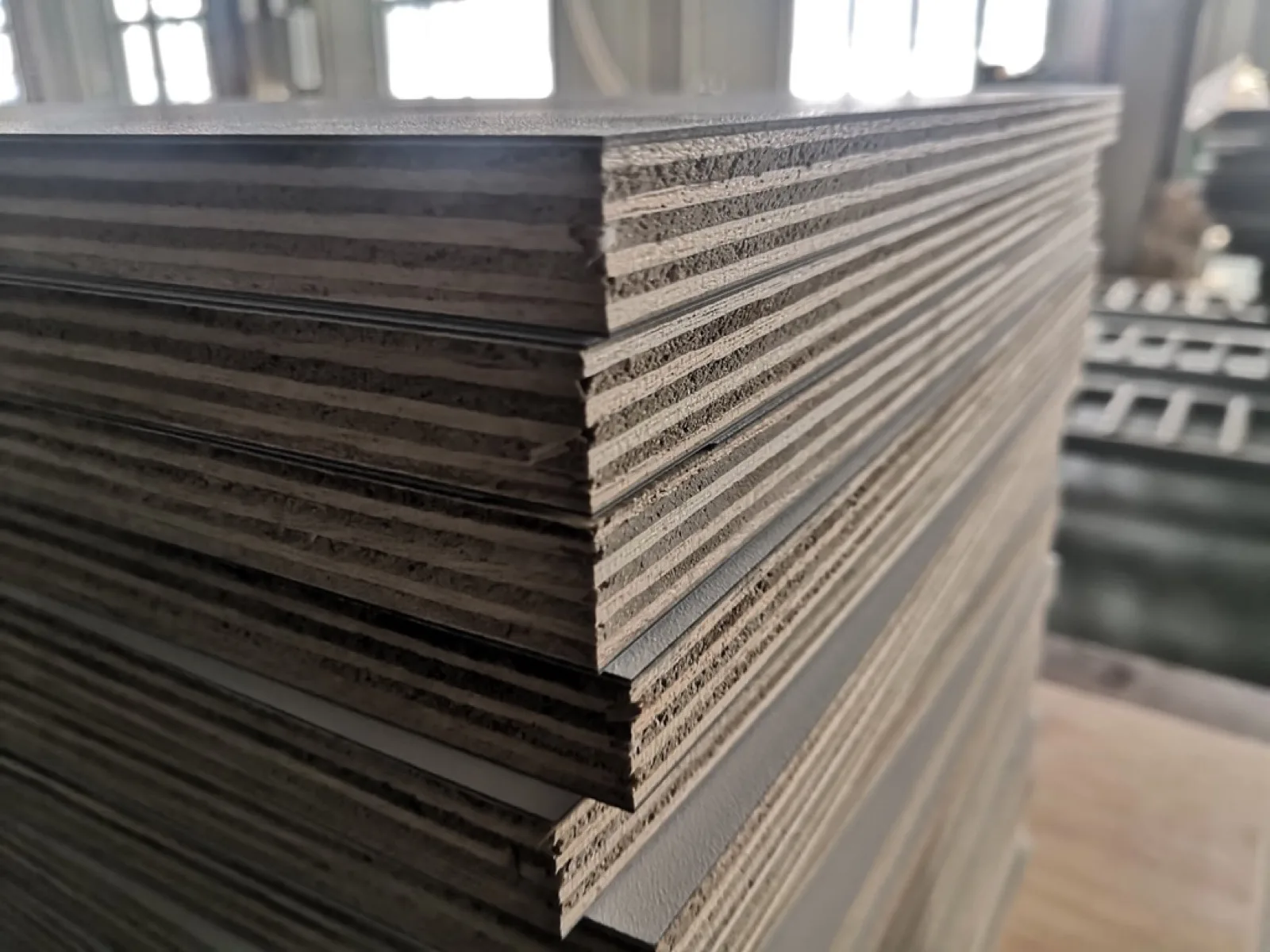
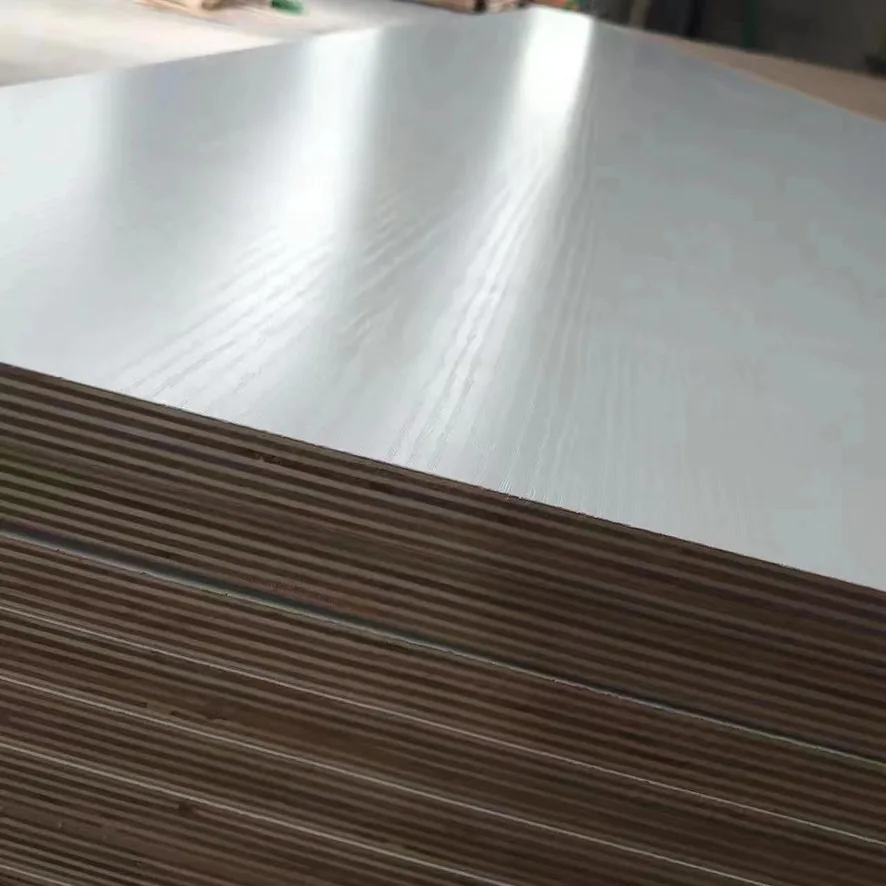
HPL laminated plywood — also called HPL faced plywood or high-pressure laminate plywood — bonds a decorative high-pressure laminate surface to a plywood core. The result is a hard, easy-to-clean panel face with good scratch and moisture resistance, combined with the strength and screw-holding of a plywood substrate. Panels can be produced single-sided or double-sided.
What can be customised on HPL plywood panels?
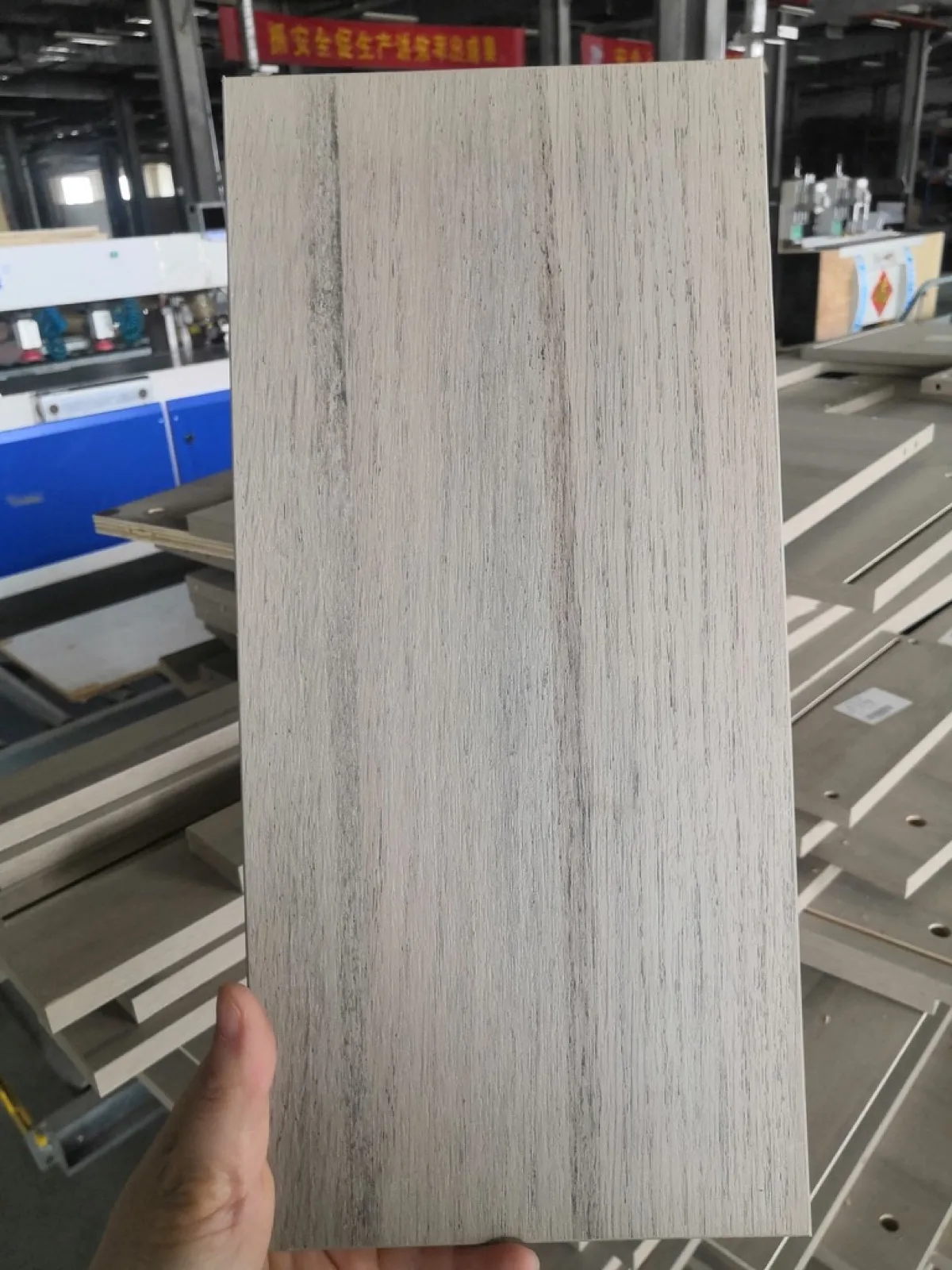
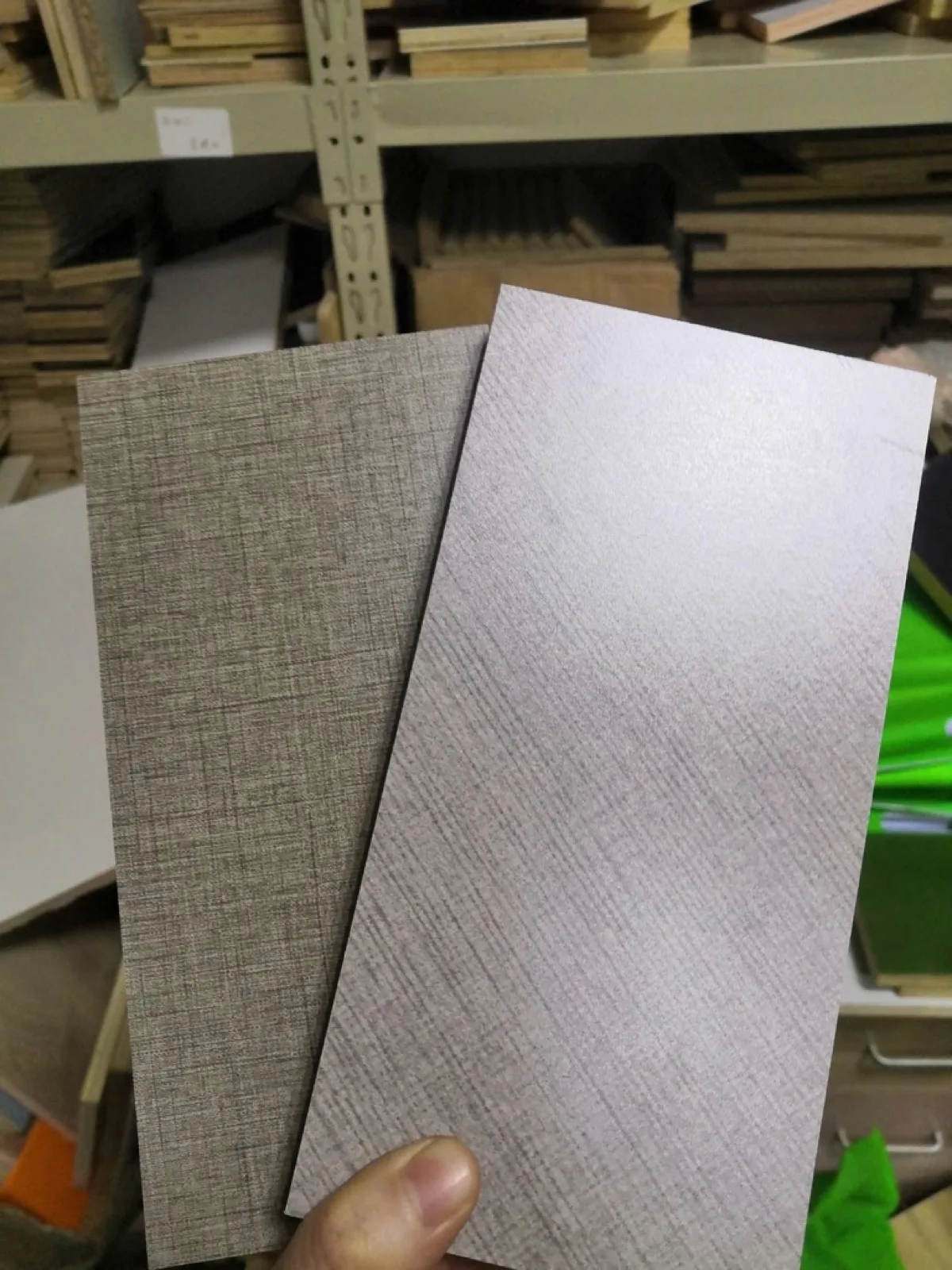
Typical customisable items include panel size and thickness, single- or double-sided lamination, laminate colour and finish (solid colours, woodgrain, matt or textured), the plywood core construction, and additional processing such as cutting to size, edge finishing or CNC machining.
What are HPL laminated plywood panels used for?
Common uses include kitchen cabinets, wardrobes and storage furniture, shelving, tables and work surfaces, office furniture, shop fitting and retail displays, interior wall panels and custom interior joinery.
What information do I need to provide for a quote?
To prepare an accurate quotation, please provide panel size and thickness, single- or double-sided lamination, surface colour or pattern, the intended application, order quantity and destination. Drawings, samples or laminate references are also helpful.
How is the surface finish and substrate confirmed?
Surface colour, woodgrain pattern and texture are confirmed against customer samples, colour references or laminate specifications, while the plywood core and construction are matched to the required strength, weight and application. Specifications are confirmed before production.
Can each side have a different HPL colour or finish?
Send a face-by-face specification showing the laminate reference, thickness and finish on each side. The proposed construction, balance, finished thickness and flatness requirements should be reviewed together and confirmed against an approved sample.
Does an HPL surface make the whole panel waterproof?
Do not treat the laminate face as a waterproof rating for the complete panel. Describe the moisture exposure and cleaning conditions, then confirm the plywood bonding, laminate, edges, joints and any required testing for the finished component.
How should CNC parts and visible plywood edges be specified?
Attach the component drawing with finished dimensions, hole positions, edge profile and tolerances. State whether plywood edges remain visible or need another finish, and approve a representative machined sample before production.